What is HIE From Birth Injuries in Oregon
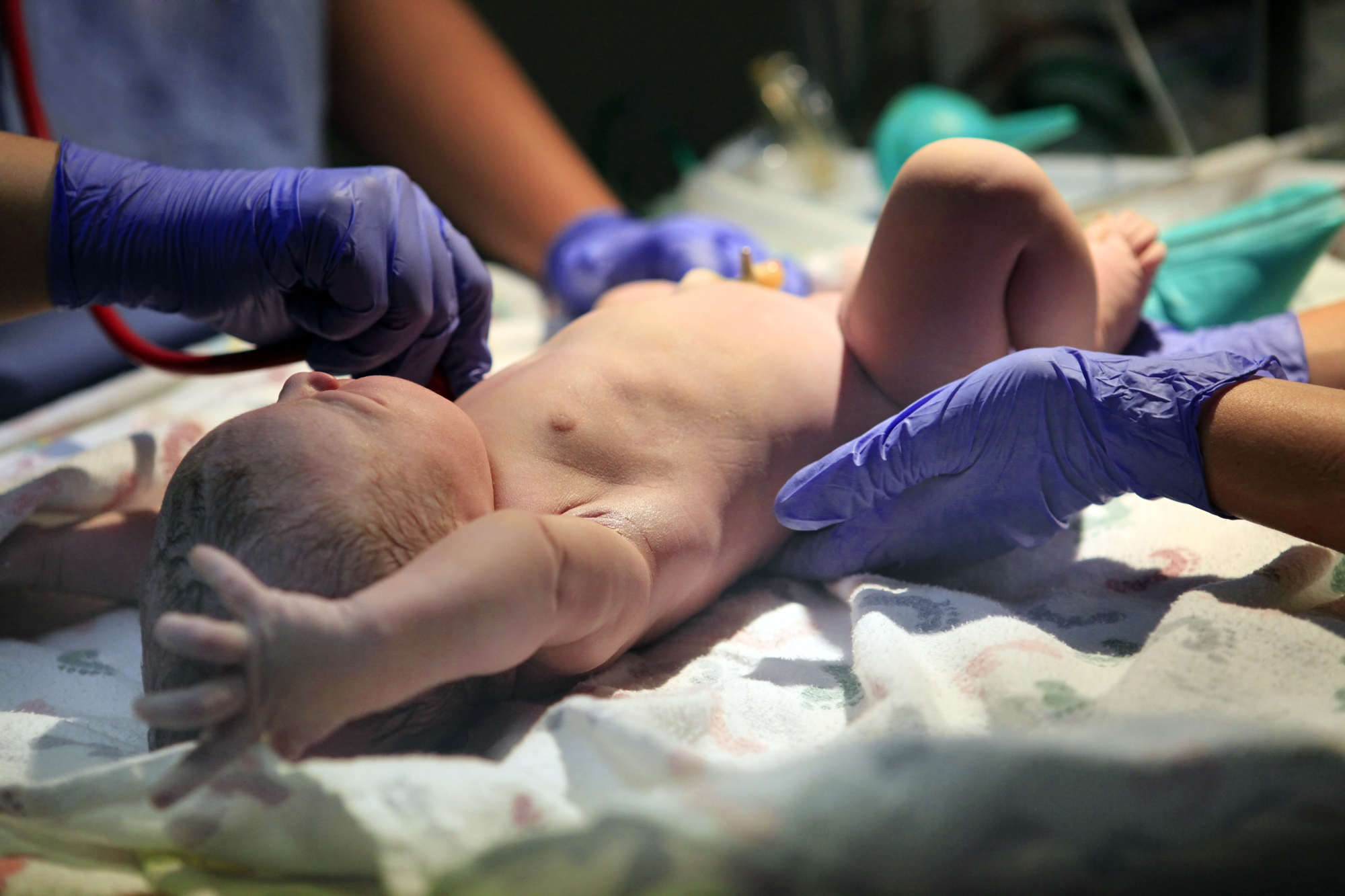

Bend Birth Injury Lawyer Explains What is HIE From Birth Injuries in Oregon
While the birth of a child should be a joyful occasion, there are times when a birth does not go as planned. While there are times when complications can arise but both mom and baby are ok, there are other instances in which newborns suffer serious harm, leading to permanent injury. While there are instances in which these injuries are completely unpreventable despite the best medical interventions, there are times when these injuries could have been entirely avoided with proper medical care. One example of an injury that is often caused by negligent medical care is hypoxic ischemic encephalopathy. This type of brain injury often leaves newborns with permanent and catastrophic brain damage. Our Bend birth injury lawyer understands how devastating it can be for your child to suffer an injury such as hypoxic ischemic encephalopathy (HIE), and are prepared to review your case for FREE to determine if medical malpractice played a part in your child’s brain injury and explain what is HIE from birth injuries in Oregon.
To learn more, call Kuhlman Law to schedule your free case evaluation. You will be able to ask questions and get answers related to your case and your loved one’s medical care and attention. Our experienced lawyer and compassionate staff has the skill, knowledge, and experience necessary to represent victims of HIE from birth injuries in Oregon against some of the largest hospitals, physician groups, insurance carriers, or defense law firms in the region. To get started today, call our Bend birth injury lawyer to learn more about your rights to compensation.
What is Hypoxic Ischemic Encephalopathy? What is HIE from Birth Injuries?
Hypoxic ischemic encephalopathy, also known as HIE, occurs when there is a lack of oxygen to the brain due to a restriction on blood flow, resulting in brain damage. The loss of oxygen leading to brain damage may occur prior to delivery, during labor and delivery, or just after delivery. The amount of time that the newborns’ brain is deprived of oxygen can affect the degree of damage that the brain sustains. This lack of oxygen is known as a hypoxic injury. Any type of hypoxic injury to a baby is a very serious and life-threatening type of injury that should always be reviewed by a Bend birth injury lawyer.
What are the Dangers of a Hypoxic Injury to a Baby
HIE Hypoxic injuries refer to damages that occur due to a lack of oxygen supply to the body’s tissues and organs. When a baby experiences a hypoxic injury, it can have severe and long-lasting consequences. There are several potential dangers associated with hypoxic injuries in babies, which include:
- Brain damage: The brain is highly sensitive to oxygen deprivation, and even a short period without adequate oxygen can lead to significant brain injury. Hypoxic brain injuries can result in intellectual and developmental disabilities, cognitive impairments, motor function deficits, and learning difficulties. Any child that is diagnosed with any type of brain injury or any of these types of brain injuries should contact an experienced Bend birth injury lawyer for help.
- Cerebral palsy: A severe hypoxic injury during childbirth can sometimes lead to cerebral palsy, a group of disorders that affect movement, muscle tone, and coordination. Cerebral palsy is often caused by damage to the developing brain, particularly the areas responsible for motor control.
- Organ damage: Apart from the brain, other vital organs like the heart, kidneys, and liver can also suffer damage due to oxygen deprivation. Organ damage may lead to long-term health issues and potential organ dysfunction.
- Developmental delays: Oxygen deprivation during crucial stages of development can disrupt the baby’s growth and lead to delays in reaching developmental milestones. These delays can have a lasting impact on the child’s physical, cognitive, and emotional development.
- Seizures: Hypoxic injuries can trigger seizures in babies. These seizures may be acute, but in some cases, they can become chronic and require ongoing medical management.
- Respiratory problems: Babies who experience hypoxic injuries may develop respiratory issues, as the lack of oxygen can damage the lungs and respiratory system.
- Behavioral and emotional difficulties: Children who suffer from hypoxic injuries may experience behavioral problems, emotional difficulties, and struggles with social interactions.
Signs and Symptoms of HIE
While there may be no outward signs or symptoms of HIE, often times a brain injury may be suspected, or the newborn may exhibit certain signs and symptoms which could suggest HIE. Some of the most common signs and symptoms of HIE include the following:
- Seizures
- Abnormal blood gases or cord gases, which may be drawn immediately after birth if a brain injury is suspected or if the infant is in respiratory distress
- Abnormally low muscle tone (hypotonia)
- Abnormally high muscle tone (hypertonia)
- Impaired breathing
- Impaired or absent reflexes
- Impaired feeding
- Decreased alertness
Can HIE be Treated?
While there are some treatments for HIE, often times newborns have lasting effects of the brain injury. The most common treatment for hypoxic ischemic encephalopathy is cooling therapy. However, this must be initiated within 6 hours of the brain injury or the treatment will be ineffective. Cooling therapy entails placing the child on a cooling blanket and often using a cooling cap to lower their body temperature to below normal in order to halt the damage from progressing.
How Can HIE be Caused by Medical Malpractice?
While there are some instances in which despite the best medical care hypoxic ischemic encephalopathy cannot be prevented, often times the condition is caused by a failure to intervene in the instance of fetal distress or failure to recognize that the baby is in distress while in utero. Some of the most common causes of HIE include the following:
- Improper use of Pitocin or overuse of Pitocin
- Failure to stop Pitocin when there are signs of impending fetal distress or fetal distress
- Failure to identify umbilical cord compression, leading to a loss of oxygen for the baby while still in utero
- Mismanagement of umbilical cord prolapse
- Failure to provide appropriate monitoring of the newborn during labor and delivery
- Failure to identify and respond to respiratory distress after birth, leading to a loss of oxygen
- Failure to treat or manage maternal infections leading to hypoxic ischemic encephalopathy
- Mismanagement of pre-eclampsia, leading to HIE
- Failure to identify and treat an infection of the newborn shortly after birth
- Failure to intervene with a c-section when an emergency arises
- Failure to schedule a c-section when a vaginal delivery is not indicated
- Failure to identify uterine rupture
- Other medical malpractice related causes of HIE
Long-Term Effects of HIE
As mentioned above, while some newborns may sustain little to no long-term effects of HIE, many other newborns are not as fortunate. Some of the most common long-term effects of hypoxic ischemic encephalopathy include the following:
- Cerebral palsy
- Seizures or epilepsy
- Developmental delays
- Learning disabilities
- Damage to other organs, such as the lungs, heart, liver, bowels, and kidneys
- Other long-term effects of HIE
Damages for Families Whose Children Suffered HIE as a Result of Medical Malpractice
If your child was diagnosed with hypoxic ischemic encephalopathy or you suspect your child may have HIE as a result of medical malpractice, it is wise to reach out to an HIE attorney in Bend for review. Our medical malpractice lawyers will review your chart and speak with expert witnesses who can help determine if medical malpractice played a part in your child’s injury. If it is found that your child’s HIE was caused by medical malpractice, you may be eligible for damages. Damages are typically awarded in the form of compensation with the intention of covering any costs (physical, mental, emotional, and financial) associated with your child’s injury. Given that HIE often causes a lifetime of impairments, your child will be compensated for any needs they may have as a result of their injury for their lifetime. Some of the most common damages awarded to families whose children have suffered from HIE as a result of medical malpractice include the following:
- Physical pain and suffering
- Emotional pain and suffering
- Lost wages for families who lose time out of work to care for their child
- Lost future earnings if a parent is unable to continue working as before their child’s birth as a result of their injury
- Physical therapy
- Occupational therapy
- Any other special education services or specialized schooling the child may require as a result of their injury
- Home or vehicle modifications
- Special equipment (i.e. walker, wheelchair, etc.)
- Other damages associated with your child’s injury
Still Not Sure What is HIE From Birth Injuries in Oregon? Call Our Bend Birth Injury Lawyer for Help
If you or a loved one has been seriously injured or wrongfully killed as a result of medical malpractice, contact the Oregon Medical Malpractice Lawyers at Kuhlman Law at our number below or fill out the intake form. We offer a free initial case evaluation and handle cases on a contingency fee, which means that you pay no money unless we recover.
Our law firm handles cases throughout the state including Bend and Portland Oregon, Redmond, Central Oregon, Sisters, Madras, Multnomah County, Deschutes County, Salem, Eugene, Corvallis, Lane County, Medford, Gresham, La Grande, Albany, Medford, Beaverton, Umatilla, Pendleton, Cottage Grove, Florence, Oregon City, Springfield, Keizer, Grants Pass, McMinnville, Tualatin, West Linn, Forest Grove, Wilsonville, Newberg, Roseburg, Lake Oswego, Klamath Falls, Happy Valley, Tigard, Ashland, Milwakie, Coos Bay, The Dalles, St. Helens, Sherwood, Central Point, Canby, Troutdale, Hermiston, Silverton, Hood River, Newport, Prineville, Astoria, Tillamook, Lincoln City, Hillsboro, and Vancouver, Washington.
We also have an office in Minneapolis, Minnesota, and take medical malpractice cases throughout the Twin Cities, including St. Paul, Hennepin County, Ramsey County, Dakota County, Washington County, Anoka County, Scott County, Blaine, Stillwater, and Saint Paul, Minnesota.